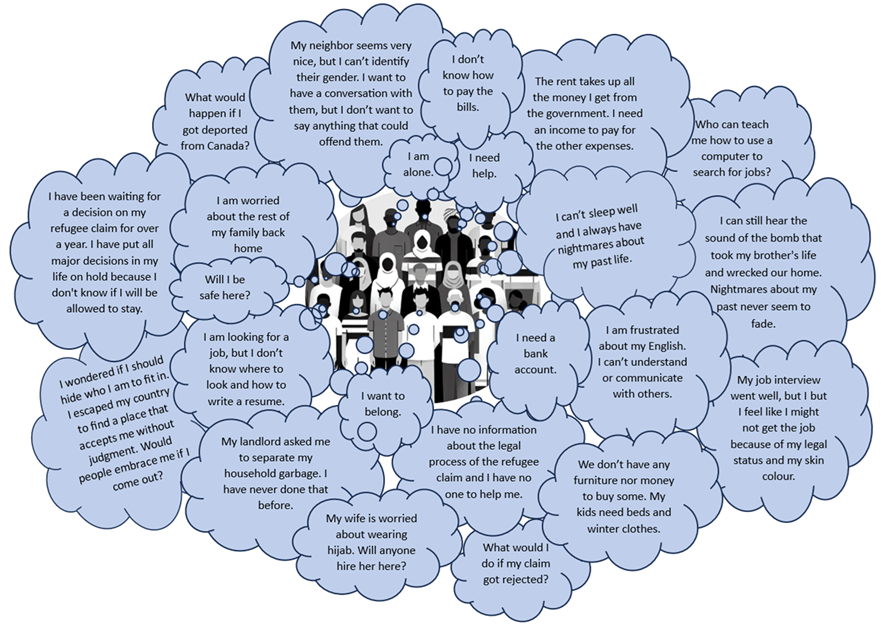
Despite achieving a level of safety from persecution once admitted to Canada, refugee claimants may struggle with challenges while working to build a better future. Carrying traumatic experiences from their pre-arrival life, combined with uncertainty about the outcome of their refugee claim, can put tremendous pressure on their mental and physical well-being.
Who are refugee claimants in Canada?
According to the Canadian Council for Refugees, a refugee claimant is “a person who has made a claim for protection as a refugee. This term is more-or-less equivalent to asylum-seeker and is standard in Canada, while asylum-seeker is the term more often used internationally.”1 The challenging journey of refugee claimants begins well before they submit their refugee claim in Canada and continues long after a decision about their status is made. The various hardships in their country of origin, their long journey to arrive in Canada, and the struggles they face upon arrival can all create multiple barriers that hinder their ability to feel secure, to adapt, and to focus on learning in an English class.
Nevertheless, refugee claimants are survivors who have overcome immense challenges to arrive here. Despite being forced to flee their countries and possibly experiencing trauma, loss, and grief, many possess a unique ability to bounce back quickly from adversity. The journeys that brought them to Canada have equipped many of them with tremendous survival skills and the ability to adapt to changing conditions, providing them with the strength and determination to face challenges and succeed.
In short, many refugee claimants have learned to be resourceful in going forward. Once given the opportunity to integrate into new communities, they often become highly committed to contributing and building connections. In addition to enriching the cultural diversity of these communities, many RCs come with strong educational backgrounds and valuable work experience that can benefit the local economy.
What is the refugee claimant’s journey like once they arrive in Canada?
Despite achieving a level of safety from persecution once admitted to Canada, refugee claimants may struggle with challenges while working to build a better future. Carrying traumatic experiences from their pre-arrival life, combined with uncertainty about the outcome of their refugee claim, can put tremendous pressure on their mental and physical well-being.
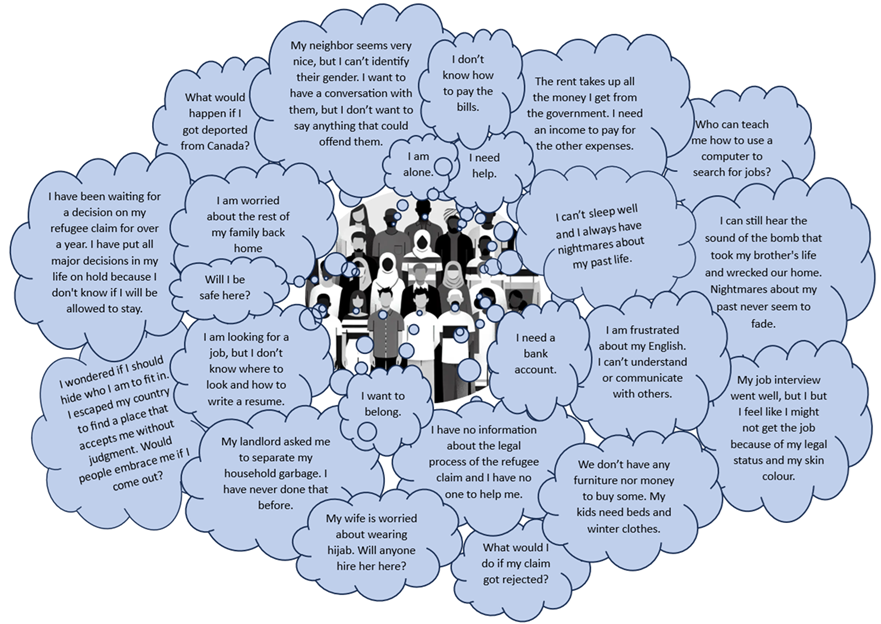
What are the challenges refugee claimants face and what are the effects of these challenges on their ability to adjust to life in Canada?
1. Feelings of Loss and Trauma
Refugee claimants’ journeys are often associated with loss, which may include losing family members, friends, property, freedom, status, and a sense of belonging. In addition, many of them have experienced traumatic events that leave lasting scars and lead to potential long-term struggles to overcome

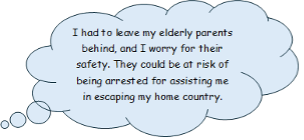
2. Separation-Induced Anxiety
Separation anxiety disorder is a psychological condition that affects many refugee claimants, as they are forced to leave their relatives and friends behind. This separation triggers fear and anxiety regarding their safety and raises concerns about potential retaliation and oppression. Subsequently, they may develop a sense of guilt for feeling safe in Canada while leaving their loved ones at risk in the home country. This feeling can make it challenging for refugee claimants to engage socially or maintain employment.
3. Culture Shock
Many refugee claimants in BC come from cultures that are distinctly different from Canada’s. Observing how people live here can increase their anxiety levels and lead them to withdraw from social life and avoid unnecessary interactions. This can cause deterioration in their mental and physical health, as well as delay their integration into their new communities. Moreover, a lack of understanding of Canadian culture can be a significant barrier to obtaining and maintaining employment.
4. Distress over Claim Rejection
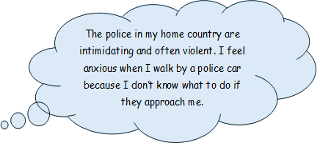
Fear and anxiety over the possibility of their asylum claim being rejected and being asked to return to the unsafe conditions they were trapped in before arriving in Canada can significantly impact refugee claimants’ mental health and well-being. The uncertainty of the future is a distraction from pursuing present opportunities and can discourage refugee claimants from building real connections and having positive ambitions for their prospective new lives.

5. Basic Life Necessities
Barriers to finding affordable food, available and affordable housing, financial assistance, health services and other basic needs can cause a sense of insecurity and anxiety for refugee claimants. This can have a direct impact on their mental and physical health and increase their sense of vulnerability and desperation.

6. Financial Challenges
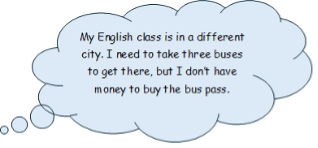
It is not uncommon for refugee claimants to face significant financial hardships. The costs associated with displacement, loss of income, and unemployment in Canada are all factors that contribute to financial instability and, in many cases, poverty. This further affects their mental and physical health, as well as their ability to adapt and function well in their new communities.
7. Legal Process for Status in Canada
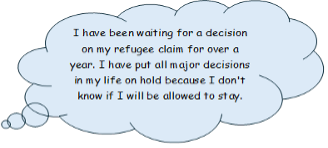
Obtaining legal status in Canada can be a complex and prolonged process. It involves submitting an application, attending hearings, and presenting evidence to verify refugee claimants’ reasons for seeking refuge in Canada. In many cases, it takes years for the decision to be made, adding to their vulnerability and frustration.
8. Employment Challenges
Most refugee claimants face barriers when approaching the Canadian job market. Although many possess valuable employment skills, qualifications and experience, they encounter obstacles on the path to landing a job in their field, including obtaining a work permit, having limited knowledge of the Canadian job market, getting their international credentials recognized, struggling to communicate effectively, facing restricted access to job training and other employment services, and dealing with employers’ hesitation to hire someone who doesn’t have permanent legal status. Even finding a survival job can be a daunting task that requires considerable persistence and perseverance.

9. Literacy and Education
Refugee claimants come from varied educational backgrounds. Some hold advanced degrees, some have literacy and learning issues, and others have had their education disrupted or postponed due to unrest in the home countries. Each group faces a different set of challenges that affect their ability to find employment and pursue further education or training in Canada. These challenges can include having credentials recognized, learning a new language, struggling with digital literacy, lacking formal education, experiencing learning difficulties, and facing illiteracy.

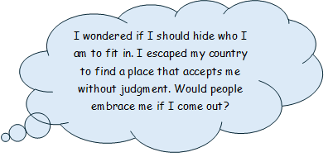
10. Identity and Representation
Refugee claimants who belong to minority groups or identify as 2SLGBTQIA+ often endure increased levels of discrimination and human rights violations that force them to leave their home countries out of fear. The systemic and prolonged struggle to belong and feel represented can take a toll on their new life in Canada, leaving them with trust issues, insecurity, and mental and physical scars.